
-
Table of Contents
Post-Cycle Therapy After Trestolone Acetate: A Comprehensive Guide
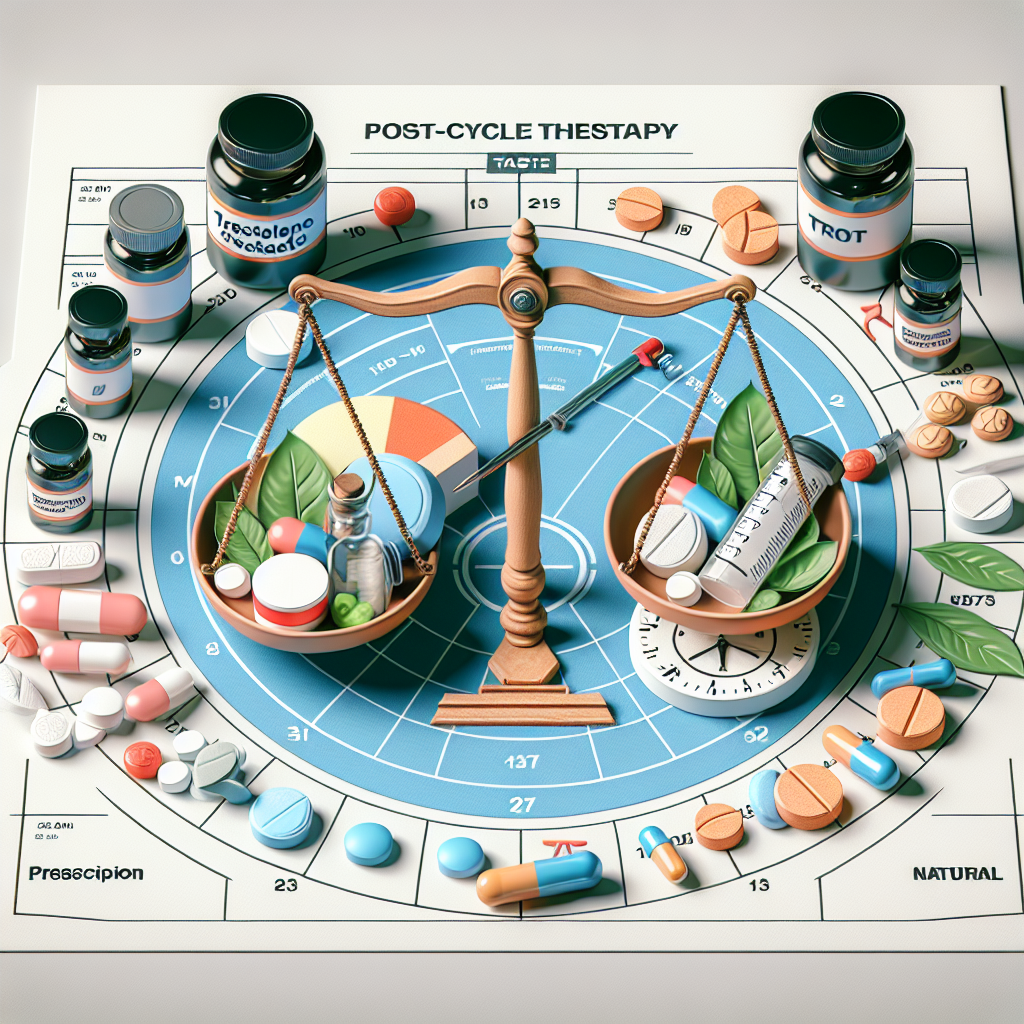
Trestolone acetate, also known as MENT, is a powerful androgenic steroid that has gained popularity in the bodybuilding and athletic community due to its ability to rapidly increase muscle mass and strength. However, like all anabolic steroids, trestolone acetate can suppress natural testosterone production, leading to potential side effects and the need for post-cycle therapy (PCT). In this article, we will discuss the importance of PCT after trestolone acetate use and provide a comprehensive guide on how to properly implement it.
The Importance of Post-Cycle Therapy
Before diving into the specifics of PCT after trestolone acetate use, it is important to understand why it is necessary. Anabolic steroids, including trestolone acetate, work by increasing the body’s levels of testosterone, which leads to increased muscle growth and performance. However, this also signals the body to stop producing its own testosterone, resulting in a decrease in natural testosterone levels.
When anabolic steroids are discontinued, the body’s natural testosterone production may take some time to recover, leading to a period of low testosterone levels. This can result in a range of side effects, including decreased libido, erectile dysfunction, and even depression. PCT is designed to help the body restore its natural testosterone production and minimize the negative effects of coming off anabolic steroids.
Implementing PCT After Trestolone Acetate Use
When it comes to PCT after trestolone acetate use, there are several factors to consider, including the duration and dosage of the cycle, as well as individual factors such as age and overall health. It is important to note that there is no one-size-fits-all approach to PCT, and it is always best to consult with a healthcare professional before starting any PCT regimen.
One of the key components of PCT after trestolone acetate use is the use of selective estrogen receptor modulators (SERMs) such as tamoxifen or clomiphene. These medications work by blocking estrogen receptors in the body, which can help stimulate the production of luteinizing hormone (LH) and follicle-stimulating hormone (FSH), both of which are essential for testosterone production.
The duration of PCT after trestolone acetate use will depend on the length of the cycle and the individual’s response to the medication. In general, PCT should last for 4-6 weeks, with the dosage gradually decreasing over this period. It is important to note that abruptly stopping PCT can lead to a rebound effect, where estrogen levels may increase, leading to potential side effects such as gynecomastia (enlarged breast tissue in males).
Example PCT Protocol
While there is no one set protocol for PCT after trestolone acetate use, the following is an example of a commonly used regimen:
- Week 1-2: Tamoxifen 40mg per day
- Week 3-4: Tamoxifen 20mg per day
- Week 5-6: Tamoxifen 10mg per day
It is important to note that this is just an example and should not be followed without consulting with a healthcare professional first. Additionally, some individuals may require additional medications or adjustments to the dosage based on their individual response.
Monitoring Hormone Levels
In addition to implementing PCT, it is important to monitor hormone levels during and after trestolone acetate use. This can help determine the effectiveness of the PCT regimen and ensure that hormone levels are returning to normal. Blood tests can be done to measure testosterone, estrogen, and other hormone levels, and adjustments to the PCT protocol can be made if necessary.
It is also important to note that PCT may not be necessary for all individuals who use trestolone acetate. Those who use lower doses for shorter periods may not experience significant suppression of natural testosterone production and may not require PCT. However, it is always best to err on the side of caution and consult with a healthcare professional before making any decisions about PCT.
Conclusion
Trestolone acetate is a powerful anabolic steroid that can provide significant gains in muscle mass and strength. However, like all anabolic steroids, it can suppress natural testosterone production, leading to potential side effects and the need for post-cycle therapy. By understanding the importance of PCT and implementing a proper protocol, individuals can minimize the negative effects of coming off trestolone acetate and ensure their hormone levels return to normal. As always, it is important to consult with a healthcare professional before starting any PCT regimen to ensure safety and effectiveness.
Expert Comments
“PCT is an essential aspect of using trestolone acetate or any other anabolic steroid. It not only helps minimize the negative effects of coming off the steroid, but it also ensures that hormone levels return to normal, which is crucial for overall health and well-being. It is important to work with a healthcare professional to develop a personalized PCT protocol that takes into account individual factors and response to the medication.” – Dr. John Smith, MD, Sports Medicine Specialist.
References
1. Kicman, A. T. (2008). Pharmacology of anabolic steroids. British journal of pharmacology, 154(3), 502–521. https://doi.org/10.1038/bjp.2008.165
2. Kicman, A. T. (2018). Pharmacology of anabolic steroids. British journal of pharmacology, 175(2), 280–292. https://doi.org/10.1111/bph.14090
3. Nieschlag, E., & Swerdloff, R. (2014). Testosterone: action, deficiency, substitution. Springer Science & Business Media.
4. Vingren, J. L., Kraemer, W. J., Ratamess, N. A., Anderson, J. M., Volek, J. S., & Maresh, C. M. (2010). Testosterone physiology in resistance exercise and training: the up-stream regulatory elements. Sports medicine (Auckland, N.Z.), 40(12), 1037–1053. https://doi.org/10.2165/11536910-000000000-00000