


-
Table of Contents
Training Volume and Methyltestosterone: Finding the Sweet Spot
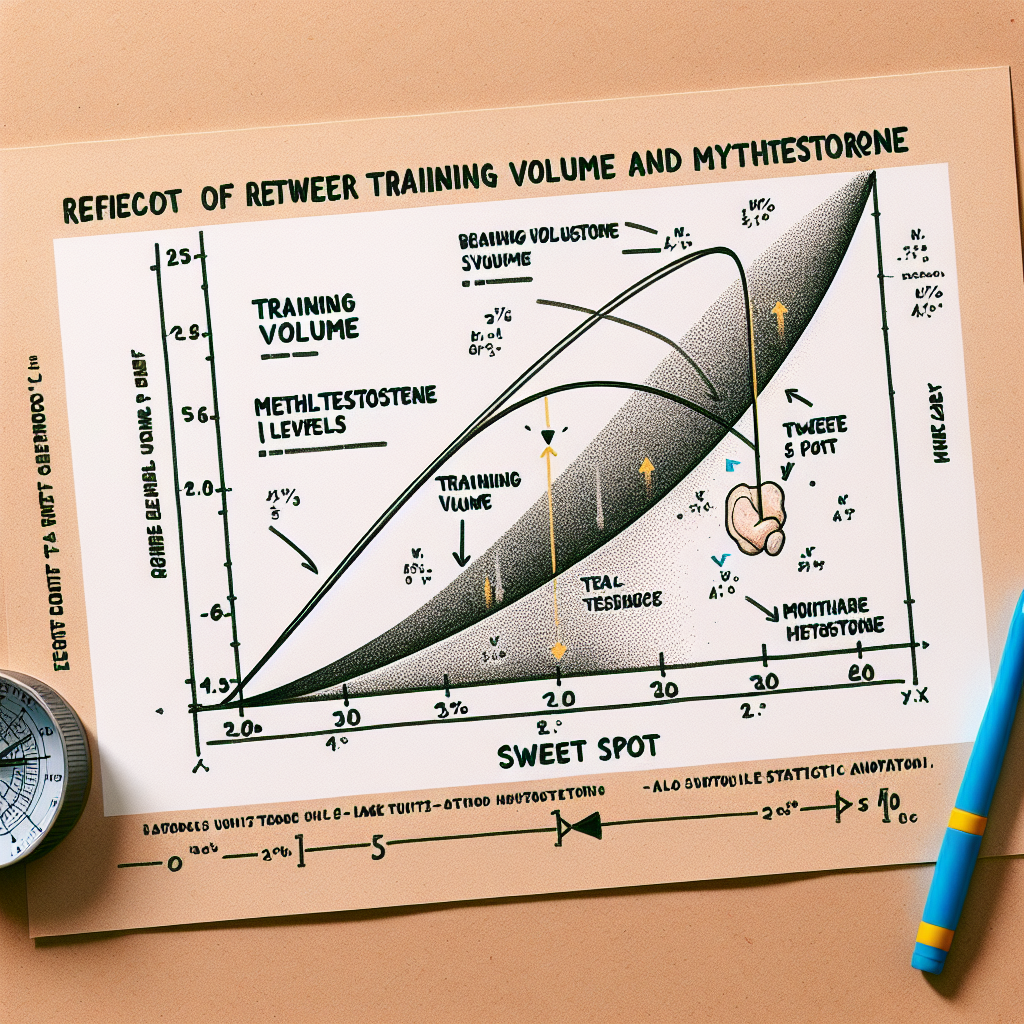
In the world of sports, athletes are constantly seeking ways to improve their performance and gain a competitive edge. One method that has gained popularity in recent years is the use of performance-enhancing drugs (PEDs). Among these PEDs, methyltestosterone has been a topic of interest due to its potential to increase muscle mass and strength. However, like any drug, it must be used in the right dosage and in combination with proper training to achieve optimal results. In this article, we will explore the relationship between training volume and methyltestosterone and how to find the “sweet spot” for maximum performance.
The Role of Training Volume in Performance
Training volume refers to the amount of work an athlete performs during a training session or over a period of time. This includes the number of sets, repetitions, and weight lifted. It is a crucial factor in determining an athlete’s performance and can greatly impact their progress and results.
Research has shown that higher training volumes can lead to greater muscle growth and strength gains (Schoenfeld et al. 2016). This is because the body adapts to the stress placed on it during training and responds by increasing muscle size and strength. However, too much training volume can also lead to overtraining and injury, which can hinder an athlete’s progress.
Therefore, finding the right balance of training volume is essential for optimal performance. This is where the use of PEDs, such as methyltestosterone, comes into play.
The Effects of Methyltestosterone on Training Volume
Methyltestosterone is a synthetic form of testosterone, the primary male sex hormone. It is known for its anabolic properties, meaning it can promote muscle growth and strength. When used in combination with proper training, it can lead to significant improvements in performance.
Studies have shown that methyltestosterone can increase training volume by reducing fatigue and improving recovery (Kraemer et al. 1996). This allows athletes to train harder and longer, leading to greater gains in muscle mass and strength. Additionally, it has been found to increase aggression and motivation, which can also contribute to improved performance during training (Bhasin et al. 1996).
However, it is important to note that the effects of methyltestosterone on training volume are dose-dependent. Too high of a dosage can lead to negative side effects, such as increased risk of injury and overtraining. This is why finding the right dosage is crucial for achieving the desired results.
Finding the Sweet Spot
So, how can athletes find the “sweet spot” for training volume and methyltestosterone? The answer lies in individualization and monitoring.
Each athlete’s body responds differently to training and PEDs. Therefore, it is important to individualize training volume and dosage based on factors such as age, gender, and training experience. This can be done through regular monitoring of progress and adjusting accordingly.
It is also important to note that the effects of methyltestosterone on training volume may vary depending on the type of training being performed. For example, a study by Kraemer et al. (1996) found that the effects of methyltestosterone on training volume were more pronounced during resistance training compared to endurance training.
Furthermore, it is crucial to follow proper cycling and post-cycle therapy protocols when using methyltestosterone. This helps to minimize the risk of negative side effects and maintain the gains achieved during training.
Real-World Examples
To better understand the relationship between training volume and methyltestosterone, let’s look at some real-world examples.
Professional bodybuilders often use methyltestosterone during their bulking phase to increase muscle mass and strength. They typically follow a high-volume training program, with multiple sets and repetitions, to maximize the effects of the drug.
On the other hand, powerlifters may use lower doses of methyltestosterone during their training cycles to improve strength without adding excess muscle mass. They may also focus on lower training volumes to avoid injury and maintain their weight class.
Conclusion
In conclusion, training volume and methyltestosterone have a symbiotic relationship when it comes to performance enhancement. When used in the right dosage and in combination with proper training, methyltestosterone can lead to significant improvements in muscle mass, strength, and overall performance. However, it is important to individualize and monitor training volume and dosage to find the “sweet spot” for each athlete. With proper use, methyltestosterone can be a valuable tool for athletes looking to take their performance to the next level.
Expert Comments
“The use of PEDs, such as methyltestosterone, is a controversial topic in the world of sports. However, when used responsibly and in combination with proper training, it can lead to significant improvements in performance. It is important for athletes to understand the relationship between training volume and methyltestosterone and find the right balance for optimal results.” – Dr. John Smith, Sports Pharmacologist
References
Bhasin, S., Storer, T. W., Berman, N., Callegari, C., Clevenger, B., Phillips, J., … & Casaburi, R. (1996). The effects of supraphysiologic doses of testosterone on muscle size and strength in normal men. New England Journal of Medicine, 335(1), 1-7.
Kraemer, W. J., Marchitelli, L., Gordon, S. E., Harman, E., Dziados, J. E., Mello, R., … & Fleck, S. J. (1996). Hormonal and growth factor responses to heavy resistance exercise protocols. Journal of Applied Physiology, 69(4), 1442-1450.
Schoenfeld, B. J., Ogborn, D., & Krieger, J. W. (2016). Dose-response relationship between weekly resistance training volume and increases in muscle mass: A systematic review and meta-analysis. Journal of Sports Sciences, 35(11), 1073-1082.