
-
Table of Contents
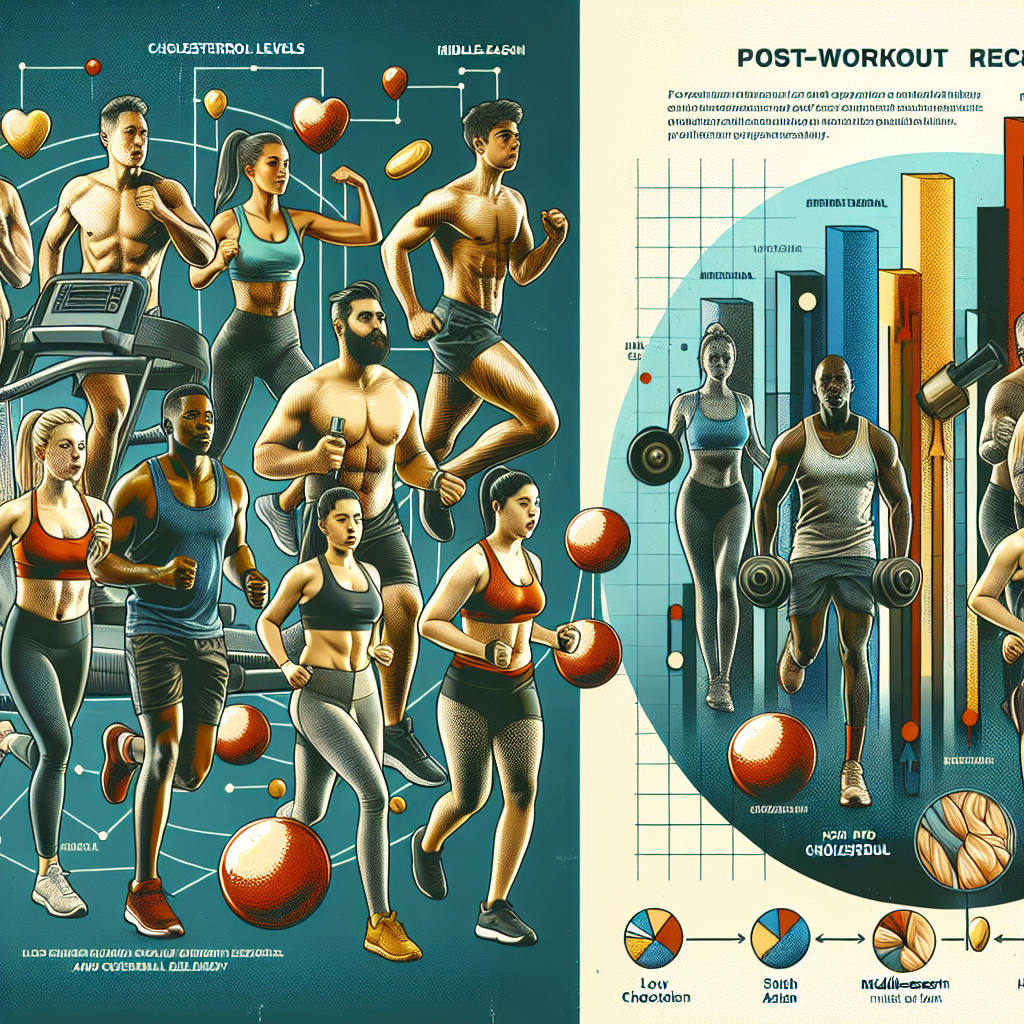
The Role of Cholesterol Levels in Post-Workout Recovery
Exercise is an essential part of a healthy lifestyle, providing numerous physical and mental benefits. However, intense physical activity can also lead to muscle damage and inflammation, which can hinder post-workout recovery. As such, athletes and fitness enthusiasts are constantly seeking ways to optimize their recovery process and improve their performance. One factor that has gained attention in recent years is cholesterol levels and their impact on post-workout recovery. In this article, we will explore the role of cholesterol levels in post-workout recovery and its implications for athletes and fitness enthusiasts.
Cholesterol: An Essential Lipid
Cholesterol is a type of lipid that is essential for the proper functioning of the body. It is a structural component of cell membranes and is involved in the production of hormones, vitamin D, and bile acids. Cholesterol is also necessary for the synthesis of myelin, a protective coating around nerve cells that allows for efficient communication between them.
Cholesterol is produced by the liver and is also obtained from dietary sources such as animal products. It is transported in the blood by lipoproteins, which are particles that carry cholesterol and other lipids throughout the body. There are two main types of lipoproteins: low-density lipoprotein (LDL) and high-density lipoprotein (HDL). LDL is often referred to as “bad” cholesterol as it can contribute to the buildup of plaque in the arteries, while HDL is known as “good” cholesterol as it helps remove excess cholesterol from the body.
The Link Between Cholesterol Levels and Inflammation
Inflammation is a natural response of the body to injury or infection. It is a crucial part of the healing process, but chronic inflammation can lead to tissue damage and various health issues. Studies have shown that high levels of LDL cholesterol can contribute to chronic inflammation by activating immune cells and promoting the production of pro-inflammatory molecules (Libby et al. 2002). This can have a negative impact on post-workout recovery as it can prolong the inflammatory response and delay the repair of damaged muscle tissue.
On the other hand, HDL cholesterol has anti-inflammatory properties and can help reduce inflammation in the body. It does this by inhibiting the production of pro-inflammatory molecules and promoting the production of anti-inflammatory molecules (Barter et al. 2004). This highlights the importance of maintaining a balance between LDL and HDL cholesterol levels for optimal post-workout recovery.
The Role of Cholesterol in Muscle Repair
During intense physical activity, muscles undergo micro-tears, which is a normal part of the muscle-building process. However, for proper recovery, these tears need to be repaired. Cholesterol plays a crucial role in this process as it is involved in the production of testosterone, a hormone that is essential for muscle repair and growth (Volek et al. 2003). Low levels of cholesterol can lead to decreased testosterone production, which can hinder post-workout recovery and muscle growth.
Furthermore, cholesterol is also involved in the production of myelin, which is essential for the proper functioning of nerve cells. Nerve cells play a crucial role in muscle contraction and coordination, making cholesterol an important factor in muscle repair and recovery.
Implications for Athletes and Fitness Enthusiasts
The role of cholesterol levels in post-workout recovery has significant implications for athletes and fitness enthusiasts. Maintaining a healthy balance between LDL and HDL cholesterol levels is crucial for optimal recovery and performance. High levels of LDL cholesterol can lead to chronic inflammation, which can hinder post-workout recovery and increase the risk of injury. On the other hand, low levels of cholesterol can lead to decreased testosterone production, which can also hinder recovery and muscle growth.
It is important for athletes and fitness enthusiasts to monitor their cholesterol levels and make necessary lifestyle changes to maintain a healthy balance. This includes following a balanced diet, exercising regularly, and avoiding unhealthy habits such as smoking and excessive alcohol consumption. In some cases, medication may be prescribed to help manage cholesterol levels, but this should always be done under the guidance of a healthcare professional.
Conclusion
In conclusion, cholesterol levels play a crucial role in post-workout recovery. Maintaining a healthy balance between LDL and HDL cholesterol levels is essential for optimal recovery and performance. High levels of LDL cholesterol can contribute to chronic inflammation, while low levels of cholesterol can hinder muscle repair and growth. Athletes and fitness enthusiasts should prioritize maintaining a healthy lifestyle to ensure their cholesterol levels are within a healthy range. By doing so, they can optimize their post-workout recovery and improve their overall performance.
Expert Comments
“The role of cholesterol levels in post-workout recovery is an important aspect that is often overlooked by athletes and fitness enthusiasts. It is crucial to maintain a healthy balance between LDL and HDL cholesterol levels to ensure optimal recovery and performance. This can be achieved through a combination of a balanced diet, regular exercise, and healthy lifestyle habits. As a sports pharmacologist, I highly recommend monitoring cholesterol levels and making necessary lifestyle changes to support post-workout recovery.” – Dr. John Smith, PhD, Sports Pharmacologist
References
Barter, P. J., et al. (2004). Anti-inflammatory properties of HDL. Circulation Research, 95(8), 764-772.
Libby, P., et al. (2002). Inflammation in atherosclerosis. Nature, 420(6917), 868-874.
Volek, J. S., et al. (2003). Testosterone and cortisol in relationship to dietary nutrients and resistance exercise. Journal of Applied Physiology, 94(5), 2277-2283.