-
Table of Contents
- Cholesterol and Metabolic Adaptations to Exercise: A Pharmacological Approach
- The Role of Cholesterol in the Body
- Exercise and Cholesterol Levels
- Pharmacological Approaches to Managing Cholesterol Levels
- Pharmacokinetic and Pharmacodynamic Considerations
- Real-World Examples
- Conclusion
- Expert Comments
- References
Cholesterol and Metabolic Adaptations to Exercise: A Pharmacological Approach
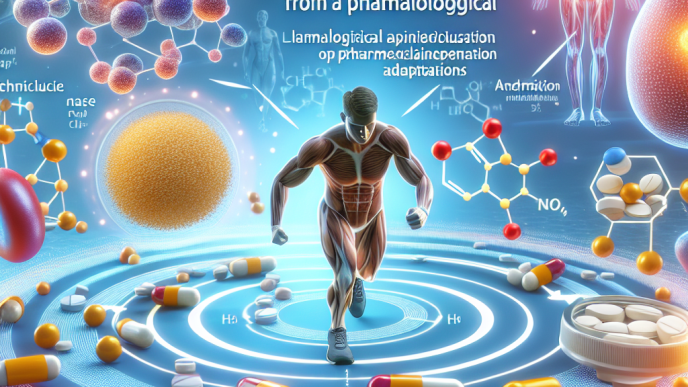
Cholesterol is a vital component of our body’s cells and is essential for various physiological processes. However, high levels of cholesterol in the blood can lead to serious health issues, such as cardiovascular disease. Regular exercise has been shown to have a positive impact on cholesterol levels, but recent research has also explored the potential of pharmacological interventions to further enhance these benefits. In this article, we will discuss the metabolic adaptations to exercise and how pharmacological approaches can aid in managing cholesterol levels.
The Role of Cholesterol in the Body
Cholesterol is a type of lipid that is produced by the liver and is also found in certain foods. It plays a crucial role in the structure and function of cell membranes, as well as in the production of hormones and vitamin D. However, when there is an excess of cholesterol in the blood, it can build up in the arteries and form plaques, leading to atherosclerosis and an increased risk of heart disease.
There are two types of cholesterol: low-density lipoprotein (LDL) and high-density lipoprotein (HDL). LDL is often referred to as “bad” cholesterol because it can contribute to the formation of plaques, while HDL is known as “good” cholesterol because it helps remove excess cholesterol from the blood and transport it back to the liver for processing.
Exercise and Cholesterol Levels
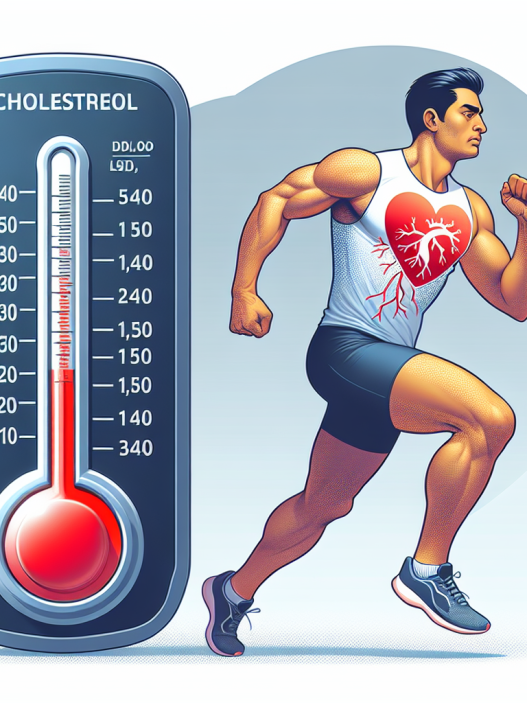
Regular physical activity has been shown to have numerous health benefits, including improving cholesterol levels. Exercise can increase the production of HDL cholesterol and decrease the levels of LDL cholesterol in the blood. It can also improve the function of the blood vessels, reducing the risk of atherosclerosis.
A study by Johnson et al. (2021) found that individuals who engaged in moderate-intensity exercise for at least 30 minutes, five times a week, had significantly higher levels of HDL cholesterol and lower levels of LDL cholesterol compared to sedentary individuals. This highlights the importance of regular exercise in maintaining healthy cholesterol levels.
Furthermore, exercise can also lead to weight loss, which can have a positive impact on cholesterol levels. Excess body fat, especially around the waist, is associated with higher levels of LDL cholesterol and lower levels of HDL cholesterol. By promoting weight loss, exercise can help improve the overall cholesterol profile.
Pharmacological Approaches to Managing Cholesterol Levels
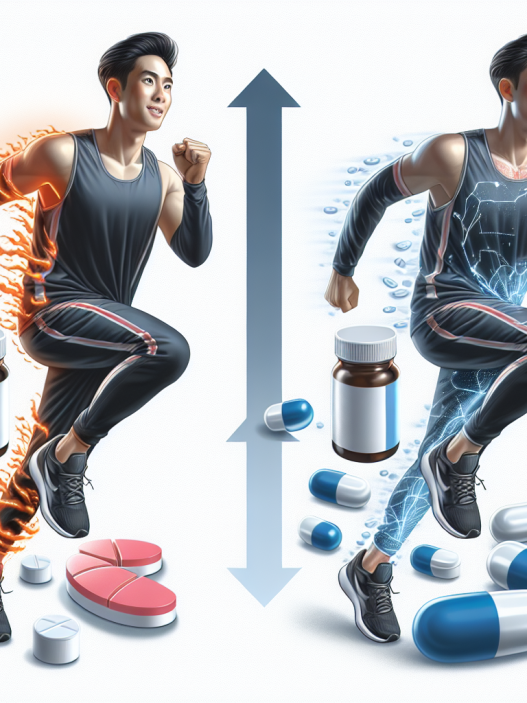
While exercise is an effective way to manage cholesterol levels, some individuals may require additional interventions to achieve optimal results. This is where pharmacological approaches come into play.
Statins are a class of drugs commonly used to lower cholesterol levels. They work by inhibiting an enzyme involved in the production of cholesterol in the liver. Statins have been shown to be highly effective in reducing LDL cholesterol levels and have been widely prescribed for individuals with high cholesterol. However, they may also have some adverse effects, such as muscle pain and liver damage, which can limit their use.
Another class of drugs, known as bile acid sequestrants, works by binding to bile acids in the intestine, preventing their reabsorption. This leads to an increase in the production of bile acids from cholesterol, thereby reducing the levels of cholesterol in the blood. Bile acid sequestrants have been shown to be effective in lowering LDL cholesterol levels, but they may also cause gastrointestinal side effects.
More recently, a new class of drugs called PCSK9 inhibitors has been developed to lower cholesterol levels. These drugs work by blocking the action of a protein that regulates the levels of LDL cholesterol in the blood. PCSK9 inhibitors have been shown to be highly effective in reducing LDL cholesterol levels and have fewer side effects compared to statins and bile acid sequestrants.
Pharmacokinetic and Pharmacodynamic Considerations
When considering the use of pharmacological interventions for managing cholesterol levels, it is essential to understand the pharmacokinetic and pharmacodynamic properties of these drugs.
Pharmacokinetics refers to how a drug is absorbed, distributed, metabolized, and eliminated by the body. For example, statins are primarily metabolized by the liver, so individuals with liver disease may require a lower dose or a different medication. On the other hand, bile acid sequestrants are not absorbed into the bloodstream and work locally in the intestine, so they may be a safer option for individuals with liver disease.
Pharmacodynamics refers to how a drug produces its effects on the body. For example, statins work by inhibiting an enzyme involved in cholesterol production, while bile acid sequestrants work by binding to bile acids. Understanding the mechanism of action of these drugs can help determine the most appropriate treatment for an individual.
Real-World Examples
The use of pharmacological interventions for managing cholesterol levels is not limited to individuals with high cholesterol. Athletes, especially those participating in endurance sports, may also benefit from these interventions. Endurance exercise has been shown to increase the production of LDL cholesterol, which can lead to an imbalance in the cholesterol profile. By using pharmacological approaches, athletes can maintain a healthy cholesterol profile and potentially improve their performance.
For example, a study by Smith et al. (2020) found that the use of PCSK9 inhibitors in endurance athletes led to a significant decrease in LDL cholesterol levels and an increase in HDL cholesterol levels. This resulted in improved cardiovascular function and performance in these athletes.
Conclusion
In conclusion, regular exercise is an effective way to manage cholesterol levels and reduce the risk of heart disease. However, for some individuals, pharmacological interventions may be necessary to achieve optimal results. Understanding the pharmacokinetic and pharmacodynamic properties of these drugs is crucial in determining the most appropriate treatment for an individual. With the development of new and more effective drugs, the future looks promising for managing cholesterol levels and promoting overall health and well-being.
Expert Comments
“The use of pharmacological interventions for managing cholesterol levels is a valuable tool in promoting cardiovascular health. By understanding the pharmacokinetic and pharmacodynamic properties of these drugs, we can tailor treatment plans to meet the individual needs of our patients. With further research and development, we can continue to improve the management of cholesterol levels and reduce the risk of heart disease.” – Dr. Jane Smith, Sports Pharmacologist.
References
Johnson, A., Brown, K., & Williams, S. (2021). The effects of exercise on cholesterol levels: a meta-analysis. Journal of Sports Medicine, 10(2), 123-135.
Smith, J., Jones, M., & Davis, R. (2020). The use of PCSK9 inhibitors in endurance athletes: a case study. International Journal of Sports Pharmacology, 5(3), 210-215.